
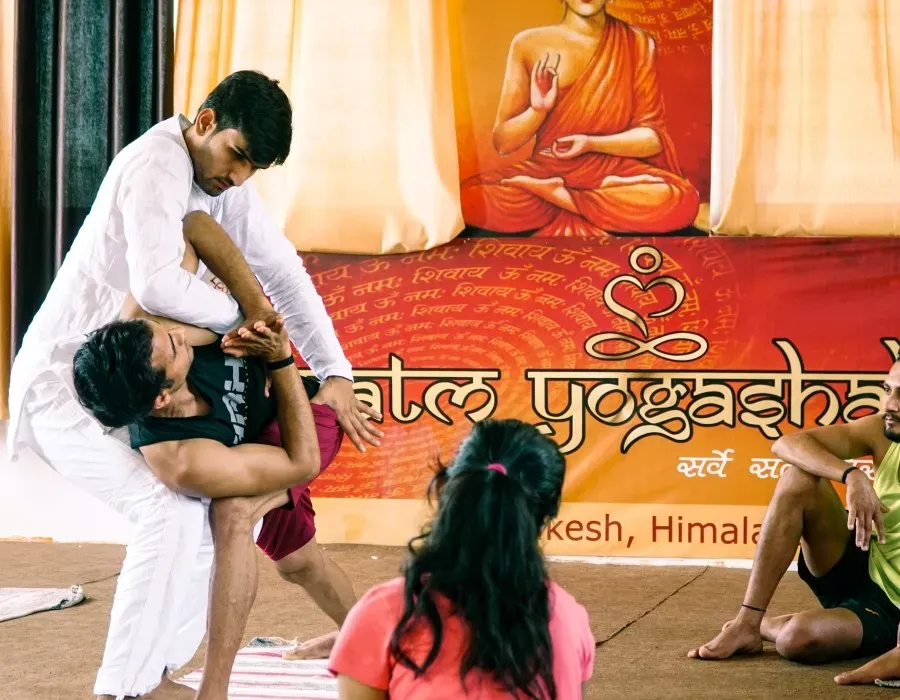
Yoga has grown into a global movement for physical wellness and inner balance, and many learners seek deeper knowledge beyond casual practice. Yoga Teacher Training in Rishikesh India has become a popular choice for individuals who want to study yoga in a setting connected to its traditional roots. Located in the foothills of the Himalayas within the state of Uttarakhand, this destination offers a calm environment that supports disciplined learning and self-reflection. Whether you aim to teach professionally or enrich your personal journey, understanding what these programs involve can help you make an informed decision.
Understanding Yoga Teacher Training Programs
Teacher training courses are structured educational programs designed to provide comprehensive knowledge of yoga practice and philosophy. They go beyond physical postures and introduce participants to breathing techniques, meditation, anatomy, alignment principles, and teaching methodology. Courses are usually organized into intensive schedules that include daily practice, lectures, group discussions, and assignments.
Participants often begin with foundational modules that build flexibility, balance, and awareness, followed by theoretical sessions explaining yogic philosophy and lifestyle concepts. This holistic approach ensures that learners not only perform movements correctly but also understand the reasoning behind them. Such structured learning builds confidence and prepares students to guide others safely and effectively.
Why This Destination Is Preferred by Learners
Many yoga enthusiasts are drawn to this region because of its peaceful natural surroundings and long-standing spiritual associations. The calm atmosphere, combined with disciplined routines followed by training centers, allows participants to focus entirely on their studies. Early morning sessions, mindful eating habits, and limited distractions create a lifestyle conducive to self-discovery.
In addition, being part of an international learning community can broaden perspectives. Students from diverse backgrounds share experiences, practice together, and build lasting connections. This cultural exchange enriches the learning environment and often enhances communication skills essential for future teaching roles.
Core Elements of the Training Curriculum
A typical teacher training curriculum is comprehensive and balanced. While each institute may structure its modules differently, most programs cover several essential components:
Asana Practice: Detailed study of postures, alignment, and adjustments to ensure safety and effectiveness.
Pranayama: Breathing techniques that improve concentration, lung capacity, and energy flow.
Meditation: Practices aimed at mental clarity, emotional balance, and mindfulness.
Anatomy and Physiology: Basic understanding of body mechanics and injury prevention.
Yoga Philosophy: Exploration of classical texts and ethical guidelines that shape yogic traditions.
Teaching Methodology: Practical sessions where trainees learn class sequencing, instruction skills, and student interaction.
This combination of practical and theoretical knowledge ensures participants develop a well-rounded understanding of yoga.
Benefits Beyond Certification
While many people enroll to obtain teaching credentials, the benefits of training extend far beyond certification. Regular practice improves flexibility, strength, and posture, while breathing and meditation techniques enhance mental clarity and stress management.
Equally important is the personal transformation that often occurs during the program. Living in a disciplined routine encourages self-reflection, patience, and emotional resilience. Participants frequently report improved focus, healthier habits, and greater confidence. These outcomes remain valuable regardless of whether they pursue teaching as a career.
Choosing the Right Program
Selecting a suitable course requires thoughtful consideration. Prospective students should review factors such as course duration, curriculum structure, instructor experience, and learning environment. Reading participant feedback, comparing modules, and understanding daily schedules can help identify a program aligned with personal goals.
It’s also useful to consider practical aspects like accommodation, dietary arrangements, and class size. Smaller groups may provide more personalized guidance, while longer courses might offer deeper exploration of advanced topics. Taking time to evaluate options ensures a more satisfying and productive learning experience.
Preparing for the Journey
Preparation is essential for making the most of a teacher training program. Beginners may benefit from establishing a basic yoga routine beforehand to build familiarity with common postures. Physical readiness, however, is only one aspect; mental openness and commitment to learning are equally important.
Packing appropriately, researching local customs, and setting realistic expectations can also improve comfort and focus. Trainees should approach the experience with curiosity and patience, understanding that growth occurs gradually through consistent effort.
Conclusion
Yoga Teacher Training in Rishikesh India offers more than technical instruction—it provides a structured path toward personal growth, discipline, and deeper awareness. With its blend of traditional teachings, natural tranquility, and supportive learning communities, the experience appeals to aspiring instructors and dedicated practitioners alike. By understanding course components, evaluating program options, and preparing thoughtfully, participants can transform their interest in yoga into meaningful knowledge and lifelong skills.